Afronova
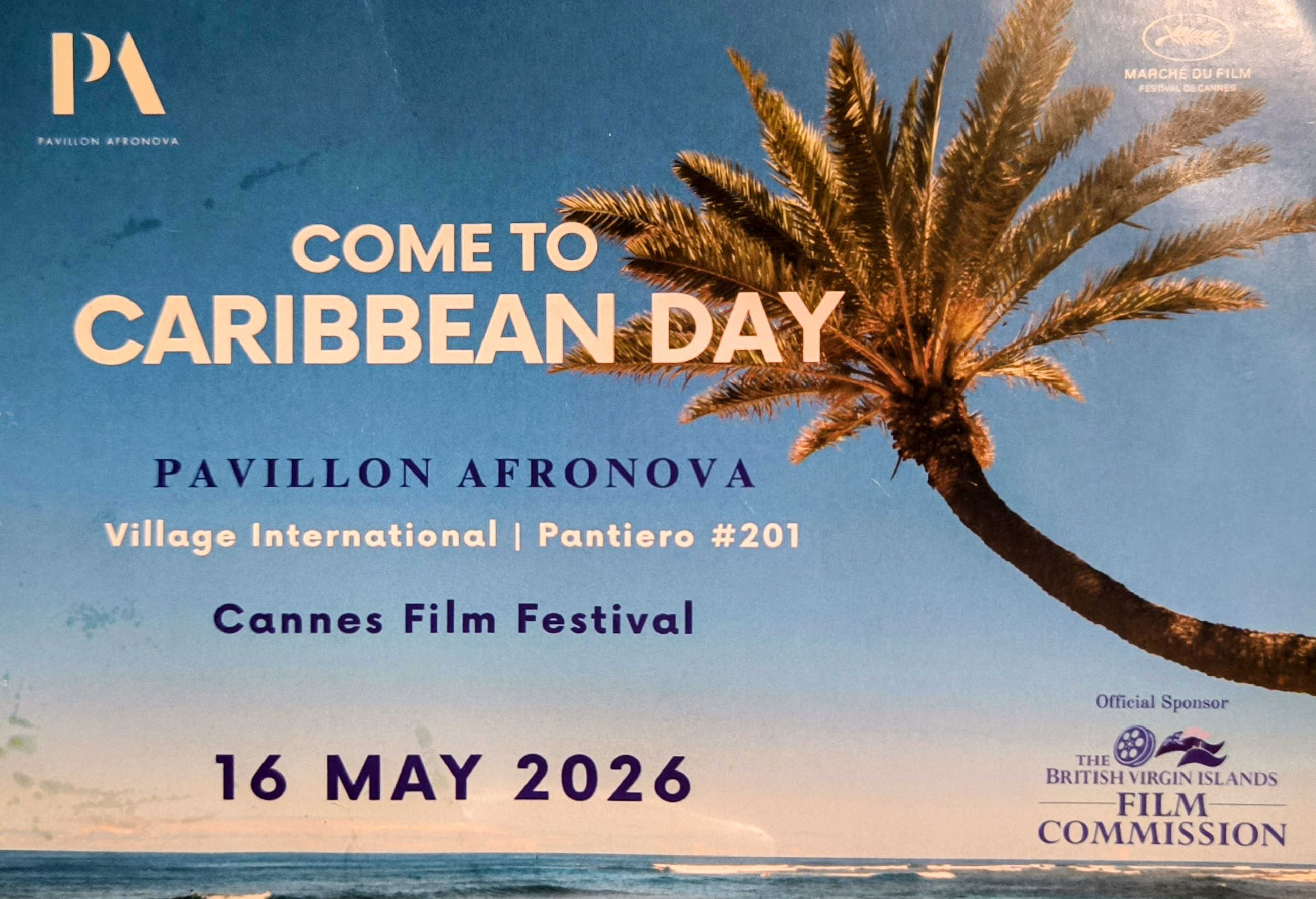
Today, I was not only in Cannes. Today, I became Caribbean. At times Martinican, at times Jamaican, I drifted from island to island as if the sea itself had opened a passage through memory. The sun of those lands lingered on my skin long after sunset, and the wind carried voices into my ears before faces even appeared before my eyes. At Pavillon Afronova, stories crossed oceans.
I stepped aboard an invisible vessel where every conversation became a bridge between generations. One hand reaching toward another. One story relaying the next. A bridge endlessly extending itself across cultures, memories and time. Some spoke of mothers whose love still guides them through the world. Others spoke of ancestors, poetry, forgotten tribes, and the necessity of unity in a fragmented age.
And somewhere between the port, the laughter, the music and the sails trembling in the Mediterranean wind, cinema ceased to be an industry. It became a passage. A crossing. A human tide carrying fragments of the world from one shore to another. At Cannes, I did not simply attend Afronova. I listened to humanity remembering itself.
Afronova
Aujourd’hui, je n’étais pas seulement à Cannes. Aujourd’hui, j’étais moi-même caribéenne. Tantôt martiniquaise, tantôt jamaïcaine, je dérivais d’île en île comme si la mer avait ouvert un passage à travers la mémoire. Le soleil de ces terres continuait d’éclairer mon esprit bien après le crépuscule, tandis que le vent portait des voix jusqu’à mes oreilles avant même que les visages n’apparaissent devant moi. Au Pavillon Afronova, les histoires traversaient les océans.